



MANITOBA MASONIC
DESCRIPTION
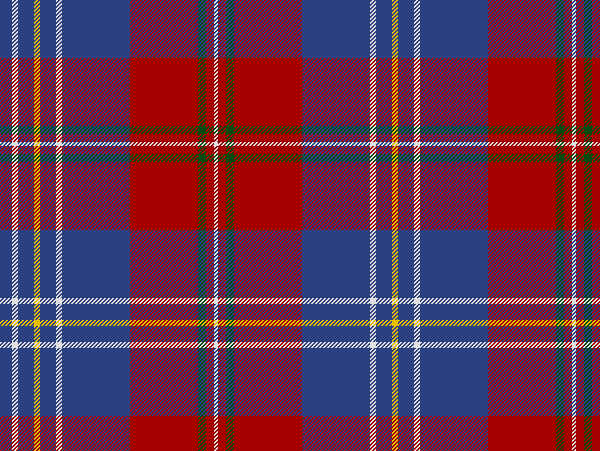
This tartan was created by the Grand Lodge of Manitoba Freemasons for use by its members.
The crimson red reflects the Red Ensign of Canada, fire (the symbol of regeneration) and, for
Manitobans, red represents the first permanent European settlers, the Red River settlers,
who were the founding members of many of the province's Metis families.
Crimson red is also the colour of the Grand lodge stewards and of Royal Arch and is used
in the Grand Lodge of Canada tartan (SRT No. 4892).
Blue represents perfection and truth,
the endless skies of the prairies, and Manitoba's abundant resources of fresh water and
connection to the northern ocean. For Freemasons, blue recalls the Blue Lodge and the Blue
Vault of Heaven.
Red and blue intersect to create purple - representing loyalty to the British
monarchy, the union of the Freemasons and their concordant bodies including Scottish Rite,
York rite and Job's daughters, and the union of the original peoples and the immigrants from
many countries who are now settled in Manitoba. Purple is also found in the Freemason's
Universal tartan (SRT No. 1279).
White represents purity and the three white stripes the
virtues of truth, hope and innocence. The white stripes are also important to Freemasons,
recalling the colour of the lambskin apron and the three degrees. To Manitobans white
represents the pure snows of winter.
Green is the colour of Acacia and other evergreen trees representing immortality, as well as the rich agricultural and natural resources
of Manitoba. It also represents the Grand Lodge of Scotland.
Yellow is the symbol of light, the great lights of a Masonic lodge and Manitoban grain and farm produce.
SETT
** If you intend to weave or otherwise use any of these patterns, please be aware that you may need
the written permission of the designer or producer. This information can be found in the Scottish Register of Tartans.
W/4 R8 G8 R68 B68 W6 B16 Y/6 (SRT No. 10615)